Clocks Turn Back as Senate Blocks Permanent Daylight Saving
Republican senators are holding up a House-passed bill that would end the twice-yearly clock change, defying President Trump's public demands for a vote.
By Karan Grant ·
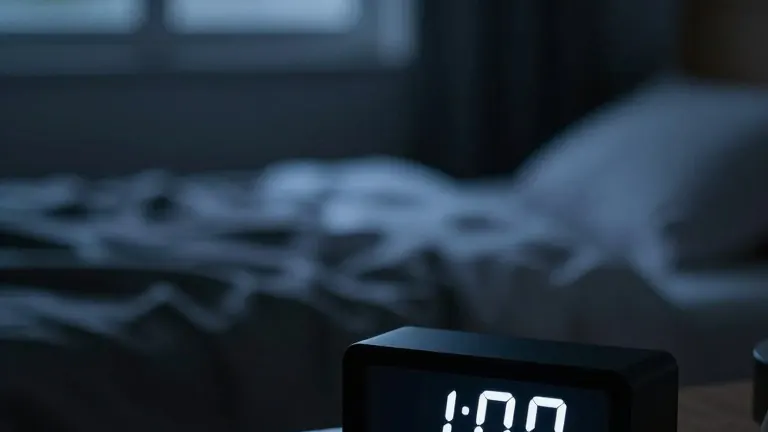
The Senate will likely leave the clock-change debate unresolved this year, with few members expecting a vote on the House-passed bill before the end of the legislative session. As most of the country turns clocks back an hour on Sunday, the legislation that would make daylight saving time permanent remains stalled. This delay defies the explicit wishes of President Donald Trump, who has aggressively pushed his own party to send the measure to his desk.
The bill would end the bi-annual time adjustment that has been standard in the United States for decades. Supporters argue the change would shift daylight to the afternoon, when most Americans are active. Opponents counter that the shift would leave residents in northern states in darkness until late in the morning. Sen. Tom Cotton, R-Ark., cited historical precedent in his opposition. He noted that Congress has previously tried permanent daylight saving time and repealed the laws after citizens complained about late winter sunrises.
Cotton, a member of GOP leadership, has become the most visible blocker of the measure. Earlier this month, Trump targeted the Arkansas senator on social media, posting his personal phone number and demanding that he “GET IT DONE!” Cotton’s resistance has grown louder since that exchange. Several other Republican senators, particularly those representing states with later sunrises, have joined the hold. Sen. Mike Rounds, R-S.D., summarized the practical concern for his constituents, stating, “You’d be sending kids to school in the dark.”
The president has renewed his pressure campaign this week. On Truth Social, he claimed that the Senate was letting the bill die despite a “vast Majority of the Country” wanting it. He has also highlighted personal benefits, noting that as an avid golfer, the extra daylight would allow more time on the course. Trump argued that the current system is inefficient and dangerous, particularly for maintenance work on high structures.
Despite the White House push, Senate leaders have not scheduled a floor vote for the short time remaining before the midterms. Sen. Todd Young, R-Ind., described the House bill as a “non-starter” for Republican leadership. Sen. Bernie Moreno, R-Ohio, was more direct when asked about the bill's prospects this month. He replied, “No way.” Senate Majority Leader John Thune, R-S.D., has not publicly weighed in on the specific House bill, though he has voted against similar versions in the past.
The current debate echoes a similar experiment from the 1970s. Congress passed a law for permanent daylight saving time in the winter of 1973 during an energy crisis. That measure was repealed by the following October after public support dropped sharply due to complaints about children walking to school in the dark. Today, fewer Americans remember that brief period. A 2025 AP-NORC poll found that only 12% of adults favored the current system, while nearly half opposed it.
Sen. Rick Scott, R-Fla., has led recent efforts to pass the bill, citing his 2018 state law that allowed Florida to stay on daylight saving time pending federal approval. He said he hears from Americans who are “sick and tired” of the practice. Democratic Sen. Ed Markey, R-Mass., has also voiced support, arguing that the time change negatively impacts health and the economy.
Source: The Denver Post