Israelis Head to Polls Under Shadow of Iran Dispute
Voters weigh Prime Minister Benjamin Netanyahu's claims on national survival against a disputed report of military pushback on Iran policy.
By Mei Wojcik ·
Prime Minister Benjamin Netanyahu closed Israel's campaign by arguing that his continued tenure is the only shield against an Iranian threat capable of ending the state. On Sunday, he shared an AI-generated image depicting a nuclear explosion over Tel Aviv alongside warnings that removing him from office could expose the country to a second Holocaust. This framing asks voters to accept that the institutions and alliances Israel has built over decades cannot secure the nation without him at the helm.
Netanyahu's opponents, organized under the change bloc, argue the reverse. They contend the prime minister can no longer distinguish between the security needs of the country and the requirements of his own political survival. They maintain that the way he manages the Iranian danger proves he must go, arguing the threat is too great to leave him in place.
A Sunday night report from N12 News added a specific point of contention to this standoff. The report described a confrontation between Netanyahu and IDF Chief of Staff Lt.-Gen. Eyal Zamir. According to the account, Zamir resisted an instruction for an undisclosed military operation that defense officials feared could trigger a confrontation with Iran. The report stated Zamir sought further deliberations and signed documentation concerning the operation's legal authorization. Netanyahu denied the existence of any such confrontation or tension with the military's top brass over Iran.
That dispute arrives against the backdrop of October 7, which damaged confidence in both the political leadership and the security establishment. The military and intelligence establishments failed in their assessments and preparations for that day, and in protecting the communities overrun by Hamas. Netanyahu served as prime minister at the time and bore ultimate political responsibility for the country's security.
For voters, this creates a difficult calculus regarding who to trust. The instinct to view military leadership as a counterweight to political calculation is understandable, but assuming military judgment deserves automatic deference is harder to sustain after the failures of October 7. Conversely, the military's failure to prevent that attack does not erase political accountability for it. The change bloc's argument that military professionals are restraining a prime minister whose political considerations shape his security decisions invites scrutiny of that same military leadership's record.
The N12 report also carries the burden of anonymity. Anonymous sources are essential to security reporting, but sources can be motivated by institutional interests, personal grievances, and political preferences. The report follows a previously contradicted account concerning Abbas Kamel, the Egyptian intelligence chief, who was reported to have visited Israel shortly before October 7 to warn of an attack. Those who distrust Netanyahu may credit the account of a rift with Zamir; those who distrust the broadcaster may dismiss it.
The details of the alleged disagreement matter. Zamir's request for written authorization does not, by itself, establish that an operation is unlawful. A disagreement between Netanyahu and the chief of staff does not establish that the prime minister is acting for electoral reasons. Yet the political significance of the exchange is clear: Netanyahu wants voters to ask whether they can entrust Iran policy to his rivals, while the report invites them to ask whether the military's leadership trusts his judgment.
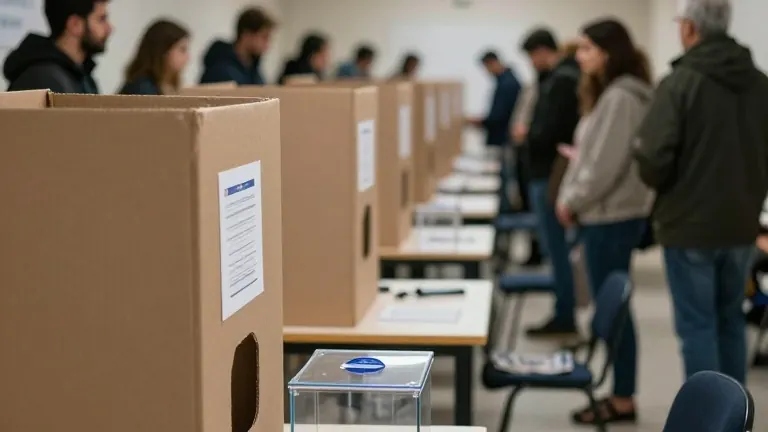
Netanyahu's argument rests on his experience, determination, and international standing to confront Iran. His opponents argue that replacing him does not automatically increase the danger Iran poses. Both positions are being presented to voters as the campaign closes. Israelis vote on Tuesday to determine the coalition and government that will address issues beyond Iran, including the fallout from October 7 and the credibility of the institutions charged with preventing a repeat.
Source: The Jerusalem Post