Aurora Developer Sues Defense Department Over WWII Bomb Cleanup
Southshore Recovery Acquisition seeks reimbursement for $700,000 in expenses to remove unexploded ordnance from a 105-acre former military range.
By Karan Grant ·
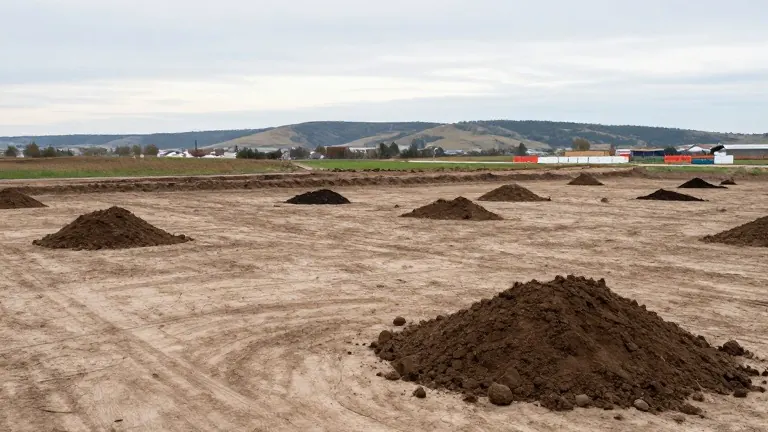
A New York real estate firm is seeking federal reimbursement for costs incurred while removing unexploded ordnance from a former military training site in southeast Aurora. Southshore Recovery Acquisition, LLC, filed a lawsuit against the Department of Defense on October 26, arguing that the federal government should cover the expenses of cleaning up hazardous materials left behind by decades of military use.
The company alleges it has spent more than $700,000 to clear the 105-acre plot of land. The site, located in Arapahoe County, was part of the Lowry Bombing and Gunnery Range from 1937 to approximately 1963. During that period, the U.S. Army Corps of Engineers and the Colorado Department of Public Health and Environment identified specific areas of concern for live munitions, but Southshore claims the specific parcel it holds was not designated as a high-risk zone.
According to the complaint, the land served as a bombing target, rocket range, and training camp during World War II, the Korean War, and the Vietnam War. The suit states that between July and December 1952, 84 bombing missions were conducted on the property. Various branches of the military, including the Air Force, Army, Navy, and Air National Guard, utilized the 100-square-mile area for practice exercises.
Southshore purchased the land in 2009 through a previous developer, with ownership transferring to the current company in 2011. The firm reported discovering a substantial threat of unexploded ordnance on the site. Following the discovery, the city of Aurora and state health officials mandated risk reduction measures before any residential development could begin. The land had remained undeveloped prior to these findings.
In 2020, a cleanup crew identified 5,739 targets and 274 items deemed safe for removal. These items included 20mm practice rounds, a rocket warhead, a fuze, and more than 424 pounds of .50 caliber ammunition. Although no armed explosives were found during the process, the lawsuit notes that live and inert ordnance cannot be distinguished while buried in the ground and must be removed for examination.
After receiving approval from the Colorado Department of Public Health and Environment, Southshore sold the land to Richmond American Homes on August 26, 2020. The developer argues that it is still owed money for the hazardous material removal. The lawsuit indicates that Southshore sent a cleanup report to the Army Corps of Engineers before beginning the work, though it does not specify if a formal request for federal intervention was made and denied.
The Department of Defense declined to comment on the case, noting that the suit had only been filed recently. Southshore did not respond to requests for comment regarding the allegations. The dispute centers on whether the federal government, which originally owned the land, bears financial responsibility for the legacy of military operations conducted there over several decades.
Other areas in the Denver metro region face similar issues with buried munitions. William F. Hayden Park in Lakewood, near Green Mountain, still displays signs warning hikers of potential active bombs. The Colorado National Guard used part of Green Mountain as a rifle range and training facility, leasing land to fire field guns during World War II preparations. Shrapnel was found in that area as recently as 2024, according to state health records.
Source: Westword