Iraqi PM Visits Syria After Decade
Prime Minister Ali al-Zaidi arrived in Damascus on October 28 to discuss border security and trade routes following the fall of the Assad government.
By Karan Grant ·
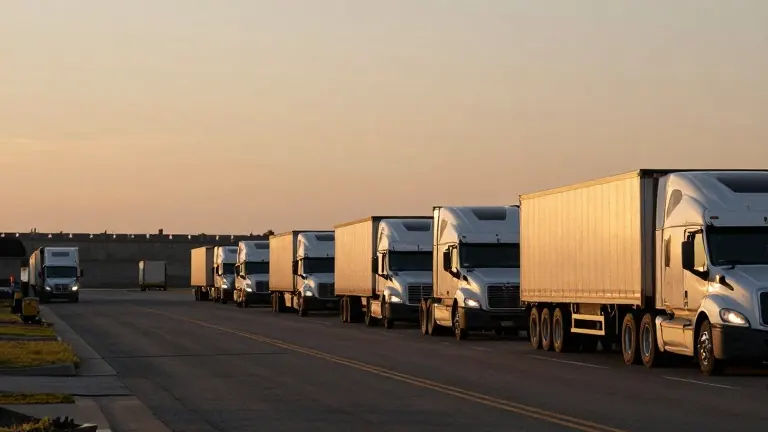
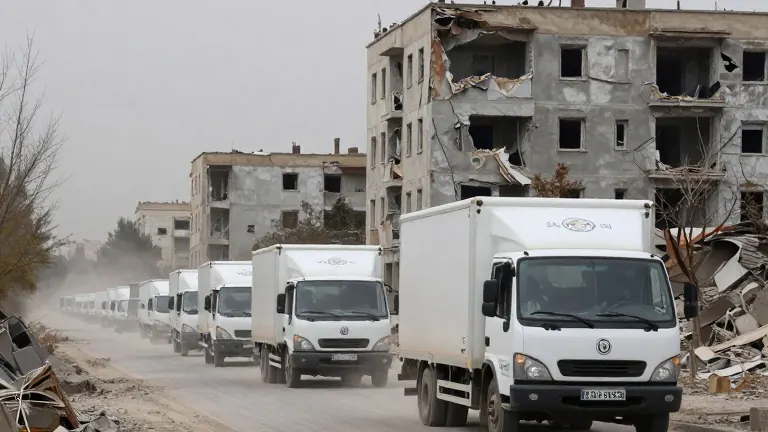
More than 100,000 transit trucks have crossed between Iraq and Syria over the past six months, a surge in commercial traffic that sets the stage for a high-level diplomatic meeting. Iraqi Prime Minister Ali al-Zaidi landed in Syria on October 28, marking the first such visit since the Assad regime fell in 2024. He arrived shortly before noon, leading a delegation whose specific agenda Baghdad has kept largely private.
Syrian President Ahmed al-Sharaa framed the visit as a chance to deepen economic ties and coordinate on security. In an interview with Iraq's Dijlah TV conducted the day before the meeting, al-Sharaa stated that the shared border is "completely" secure. This assurance comes amid recent friction with Jordan, which Syria says suffered civilian casualties from a Jordanian airstrike targeting ISIS fighters inside Syrian territory.
The leaders plan to focus on reviving trade corridors that link the two nations. Al-Sharaa pointed to the connection between Iraq's Faw Port and Syria's Mediterranean port of Tartous as a key economic artery. He also called for the rebuilding of oil pipelines that run to the port of Baniyas. Currently, Iraqi oil is being transported into Syria by truck due to the ongoing crisis involving Iran, a move that highlights the strategic value of these land routes.
Personal history adds a layer of complexity to the talks. Al-Sharaa told SANA that he traveled to Iraq in 2003 out of a sense of duty to defend Iraqis against the American occupation. He said he was imprisoned there around 2005 and returned to Syria in 2011. The topic is sensitive in Baghdad because Iraq views the groups al-Sharaa associated with as terrorist organizations, even though he claims he held no formal political or military affiliations at the time.
The border region has been a flashpoint for decades. After the 2003 invasion, insurgents used the Middle Euphrates River Valley, specifically near al-Bukamal and al-Qaim, to move between the countries. ISIS later exploited these same routes during its expansion in 2013 and 2014. More recently, Iraqi Shi'ite militias used the crossings to supply the Assad regime, integrating the area into Iran's logistics network for weapons transfers to Hezbollah.
The outcome of these talks extends beyond the two nations. Iraqi militias backed by Iran pose a direct threat to Israel and remain active in the region. A stabilized border where these groups cannot move freely would offer benefits to Israel, Saudi Arabia, and Jordan. For now, the focus remains on whether the two governments can translate increased truck traffic into lasting institutional coordination.
Source: The Jerusalem Post