Federal Regulators Push for Cyan Lights to Identify Driverless Vehicles
The NHTSA proposes a specific blue-green glow for autonomous cars to standardize visual communication on roads.
By Karan Grant ·
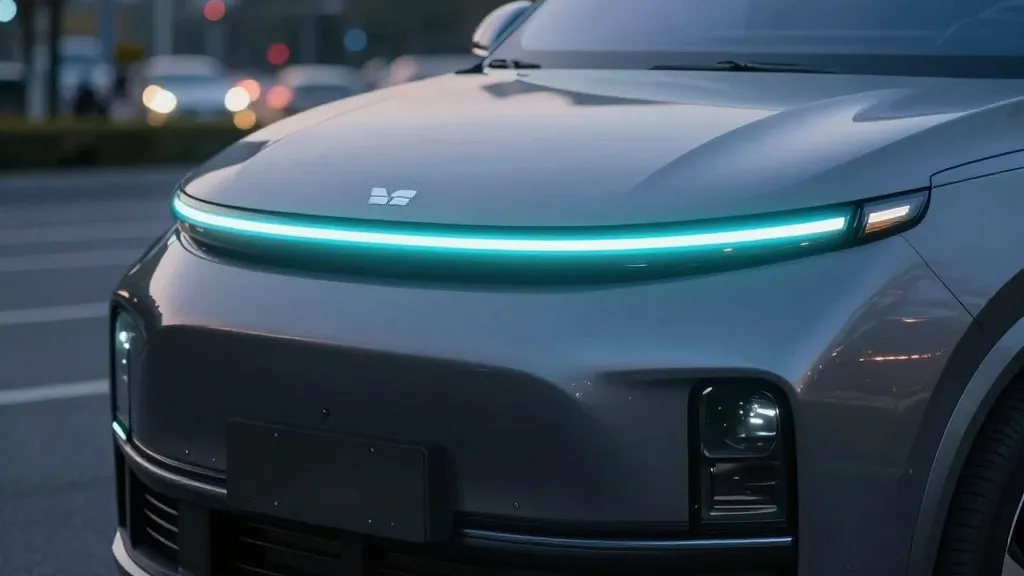
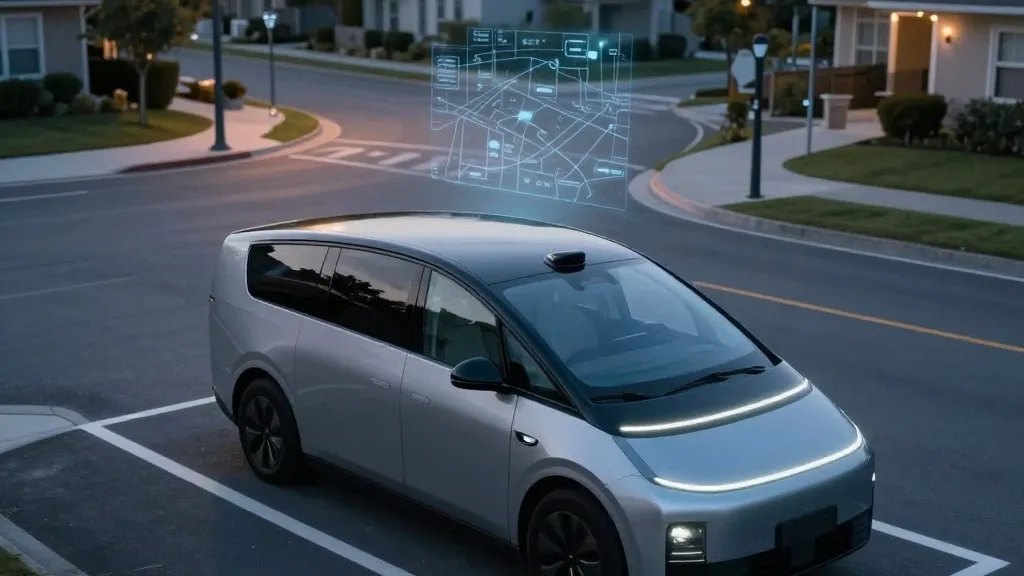
The long-standing debate over how autonomous vehicles should visually distinguish themselves from human-driven cars has reached a definitive federal recommendation. The National Highway Traffic Safety Administration, or NHTSA, has proposed that driverless vehicles utilize distinct cyan-colored marker lamps. This move aims to resolve years of industry uncertainty regarding whether robotaxis should use flashing text, audio alerts, or custom lighting configurations to signal their automated status to the public.
The proposal involves rewriting Federal Motor Vehicle Safety Standard No. 108 to accommodate the unique needs of self-driving technology. By standardizing the color, brightness, and placement of these lights, regulators intend to create a uniform national signal. This approach allows operators such as Waymo, Nuro, and Zoox, along with manufacturers like General Motors and Mercedes-Benz, to adopt a consistent visual language rather than relying on a fragmented mix of proprietary signals.
The selection of cyan is strategic. Current automotive lighting standards reserve red, amber, and white for standard functions like brakes and turn signals, while flashing blue and red are typically associated with emergency vehicles. NHTSA believes cyan fills an existing visual gap without introducing confusion for law enforcement or other road users. There is existing precedent for this color choice, as Mercedes-Benz previously received state-level approval for turquoise lights on its Level 3 Drive Pilot vehicles, although the company later shifted focus to a Level 2++ system.
Under the proposed rule, the installation of cyan marker lights would remain optional for manufacturers. However, once adopted, the lights must adhere to strict federal specifications. This ensures that any vehicle displaying the signal uses a legally compliant and recognizable setup. The agency seeks to eliminate the potential for a confusing array of different colors and signal patterns that could otherwise emerge if each company chose its own design.
The update also streamlines other aspects of vehicle design by removing requirements that are impractical for cars without human drivers. NHTSA proposes eliminating mandates for physical hazard switches, manual beam shifters, and turn levers inside the cabin. Additionally, the agency is updating the 12.8-volt testing standard to better align with modern LED architectures and is reconsidering rules about the vertical placement of high-beam and low-beam lights.
These changes are part of a broader Department of Transportation initiative to facilitate the deployment of autonomous vehicles. The goal is to make it easier for automakers to design vehicles that lack traditional controls like steering wheels and pedals. Despite this push for flexibility, regulators continue to enforce current rules strictly. Last month, NHTSA initiated an audit of the Tesla Cybercab to review the technical data Tesla used for its certification. The inquiry focuses on the vehicle's lack of sideview mirrors, pedals, and a steering wheel, features currently required under existing safety standards.
Source: The Verge · original report published