Rio Linda board adjusts labor deal after resident pushback
Concerns over a $2 million chromium plant purchase and rising bills led the water district to vote for revisions to a proposed employee agreement.
By Karan Grant ·
Rio Linda residents faced higher water bills this month, with some seeing increases of $50 or more. Stephanie Suela, a local resident, reported a bill of $419, her highest to date. This spike in costs prompted questions about where district funds are allocated, particularly regarding infrastructure and staffing.
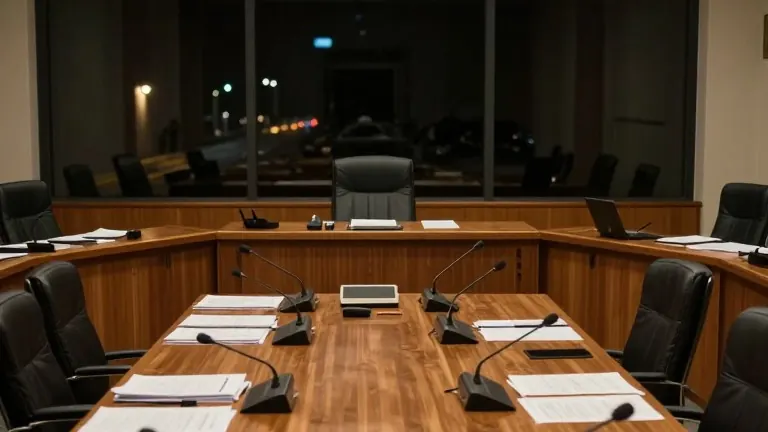
The Rio Linda Elverta Community Water District board met on Monday to discuss a nearly $2 million purchase for a chromium treatment plant. Alongside this capital expenditure, the board entered a closed session to negotiate labor terms. These talks included proposals for employee rate hikes and new remote-work benefits. Residents attending the public portion of the meeting expressed frustration that salary increases were being discussed while water quality issues persisted.
Former board member Mary Garrison criticized the current board's priorities. She stated that the three board members handling negotiations had not voted to address state mandates for fixing chromium contamination and wells. Garrison argued that the union and employees were being prioritized over necessary infrastructure repairs. She noted that the current board members are directly involved in the ongoing labor talks.
Residents emphasized that the chromium fix should be the top priority. Mary Nelson, another attendee, said the community wants to ensure funds are directed toward the right projects. Suela added that the water from the tap often smells like chlorine, a complaint she said is common among locals. The group at the meeting, which Suela described as a full house, pushed for transparency on how the increased rates are being spent.
Following public comments, the board did not immediately finalize the labor agreement. Instead, the measure was approved for revisions. This decision reflects the community's demand to address water quality concerns before locking in new employee benefits. The district will now work on adjusting the proposed labor terms based on the feedback received during the meeting.
The chromium issue remains central to the district's obligations. State mandates require the repair of specific wells and the treatment of chromium in the water supply. The $2 million plant purchase is part of that effort. The board must now balance these infrastructure costs with the revised labor contract while continuing to manage the rising rates that residents are paying.
Source: KCNC-TV