San Elizario Gardener Tests Desert Crops as Heat and Drought Reshape Home Growing
Lorenzo Luevano, the city's agriculture manager, is experimenting with purslane, desert watermelons and rainwater harvesting to help low-income residents grow food as the climate changes.
By Valentina Cruz ·
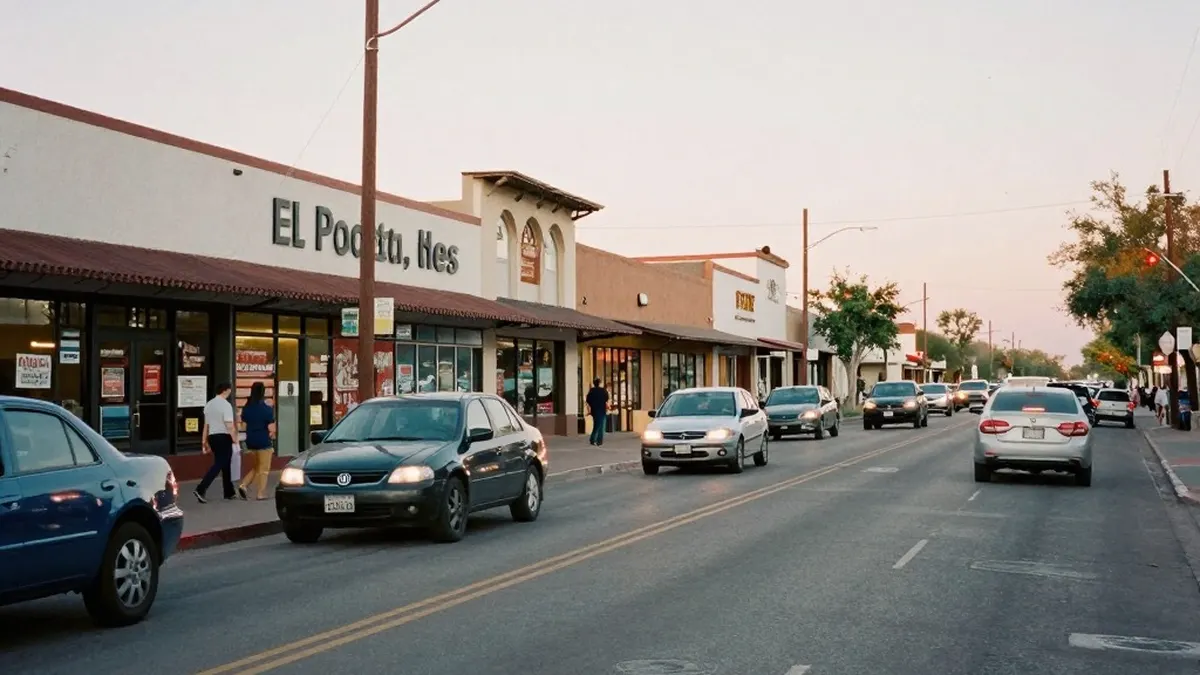
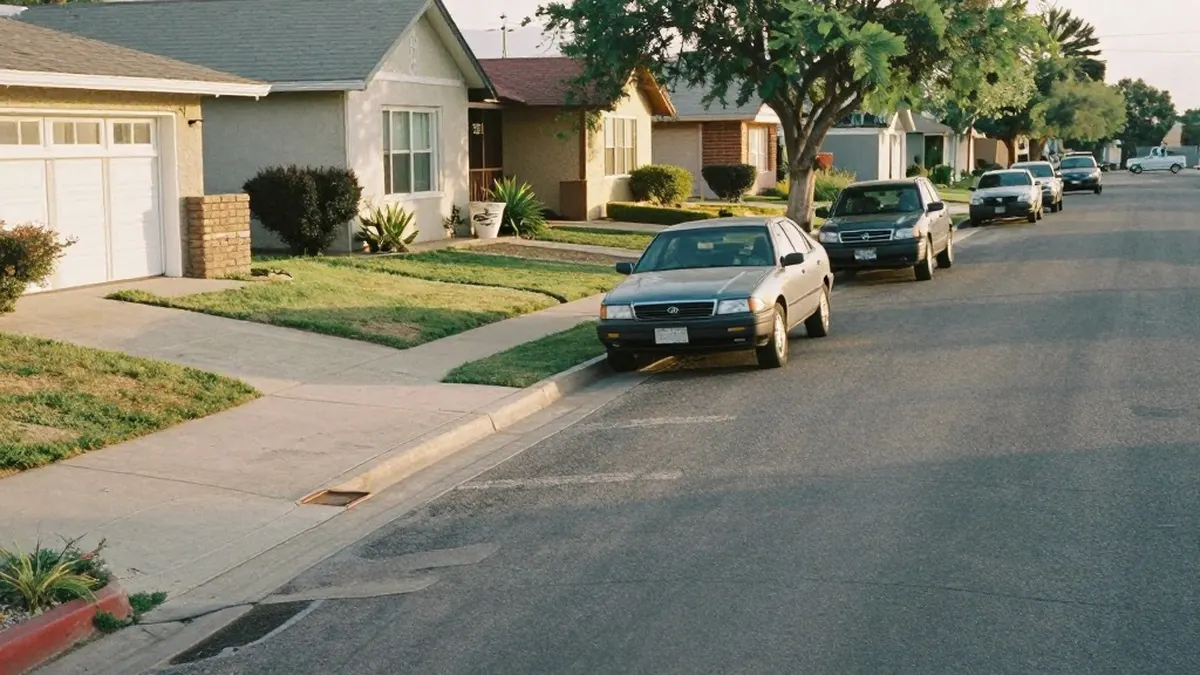
In San Elizario, a small border city in the Chihuahuan Desert better known for water-hungry crops such as cotton and pecans, intense heat and scarce rainfall tied to climate change are forcing home gardeners to rethink how they grow food.
Lorenzo Luevano, who is in his late 20s, was born and raised in the city, which locals call San Eli. His grandmother introduced him to gardening as a child. He now works as the city's agriculture manager, showing residents of the low-income community how to raise their own fruits and vegetables in desert conditions.
One of the plants he is working with is easy to overlook. Driving through San Elizario, a person could mistake it for a roadside weed. Luevano calls it verdolagas, the Spanish name for purslane, a succulent that grows wild in the area and has deep ties to the city's history and culture. He uses it in place of spinach, cooking it with butter, bacon, beans and a little jalapeno.
Luevano has grown purslane for years, along with edible plants such as cilantro, but his latest trial went poorly. Days were too hot and nights too cold. He also says the plant is difficult to manage: too much water can cause it to flower, which turns the leaves bitter and makes them inedible.
At his own home garden, he planted heat-resistant "desert watermelons," a variety usually grown in warmer climates for its tolerance of high temperatures. Those failed to grow as well, because conditions were simply too hot.
Learning to adapt will be essential as temperatures climb, according to Kevin Floyd, botanical curator at the Chihuahuan Desert Garden at the University of Texas at El Paso. He said the region is expected to see higher temperatures, but many local plants evolved in hot conditions and can handle the increase up to a point. "Unless we get particularly hot, like if we start getting over 110 maybe, I think the heat won't be a problem," Floyd said. Rainfall, he added, is the other major factor and is hard to predict.
Luevano treats failed crops as lessons for the next season, and he passes those lessons on to neighbors hoping to harvest successfully. "It's just a matter of finding different techniques and different solutions to help the plants grow," he said.
His current focus is rain harvesting, or collecting rainwater for irrigation. He has built what he calls rain roofs to capture water, along with barrels that are set out during storms to fill with rain. He hopes to install them at the community garden so he can show others how to use them. The area typically receives eight to 10 inches of rain a year, he said, and storing it would give people water to grow food during droughts.
Luevano describes gardening as trial and error, particularly when temperatures swing, but says he is persistent. Climate change is here to stay, he said, so he intends to adapt and share what he learns so residents can feed themselves. He pointed to news reports of cities and states running out of water and asked what the problem could look like in five to 10 years, and what solutions are available.
The story was produced by NextGenRadio as part of the Puente News Collaborative, a group of newsrooms that includes ABC-7 and takes a bi-national perspective on regional issues.
Originally published by News Media House · Source: KVIA ABC-7