South Dallas Corridor Poised to Become World's Top Data Center Hub
Ten operating facilities in Lancaster, Red Oak, and Wilmer are projected to nearly triple as developers target the region for its power and fiber connectivity.
By Riya Ross ·
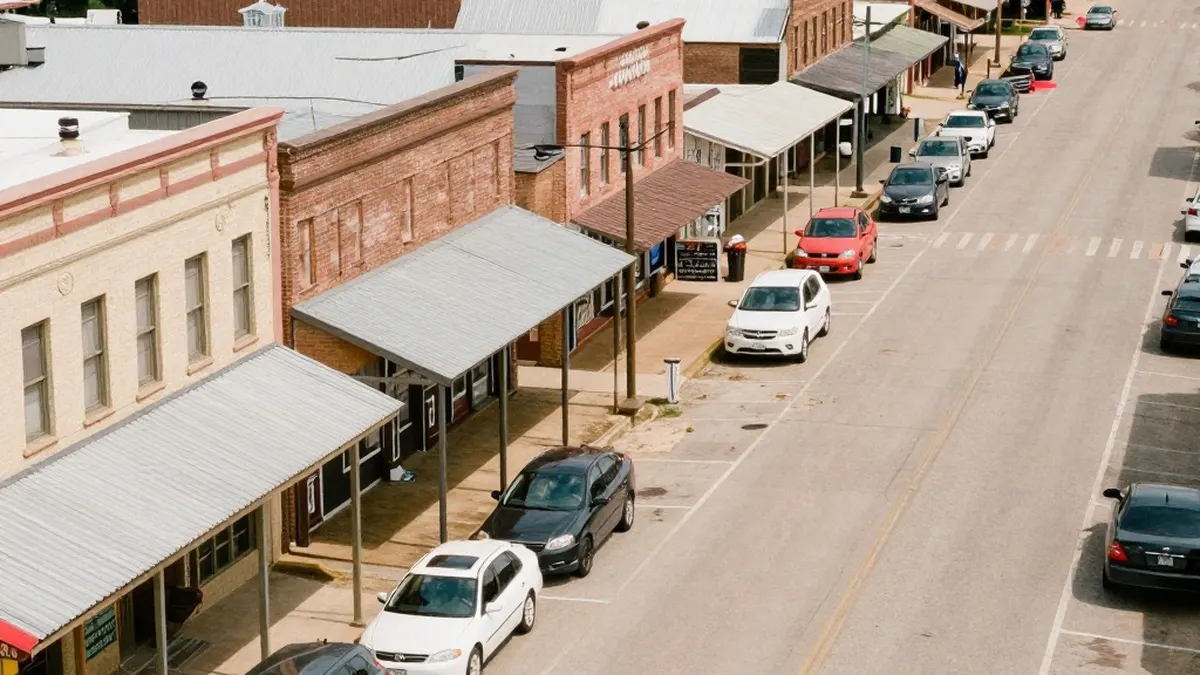
Data center developers have concentrated their expansion efforts in three communities south of downtown Dallas, positioning the region to become the largest data center market in the world. New mapping data reveals a dense cluster of existing and planned facilities in Lancaster, Red Oak, and Wilmer. These locations lie along a corridor stretching from Interstate 35 east toward Interstate 45.
Industry trackers Cleanview and Datacenter Map provided the figures used to chart this growth. In Red Oak, nine data centers are currently operational, with 14 additional projects under construction or in the planning stages. Lancaster sees three facilities under construction and 11 more in the pipeline. Wilmer has one active facility and 11 planned additions. The total count of operating sites in these three towns stands at ten, while nearly four times that number are on the way.
John McWilliams, a commercial real estate analyst at Cushman & Wakefield, attributes the clustering to established infrastructure. He notes that power availability and fiber connections draw developers to areas where peers have already succeeded. McWilliams recently published a study ranking the Dallas area as the number one primary data center market globally. The report weighed factors including power access, land availability, and current construction volume.
McWilliams predicts the Dallas market will nearly double in size within three to five years based on projects currently under construction. He stated that Texas possesses the scale and room to facilitate demand, with Dallas serving as the anchor for this growth. The state is on track to overtake Virginia as the nation's largest data center location.
Haynes Strader, chief development officer at Skybox, cited the region's role as a central hub for fiber connectivity between the West and East Coasts. Skybox is building a 100-acre campus in Lancaster. Strader explained that the area south of Dallas sits at a major electric power intersection between West and North Texas. This location provided excess capacity for many years, making it attractive for early data center placement.
Residents in these growing corridors are reacting to the rapid changes. Chris Villegas, a resident of Red Oak, discovered plans for a nearby facility through social media. He moved to the area seeking a rural lifestyle with farmland and tractors, not industrial expansion. Villegas and neighbors, including Lacey Hammel, formed a local group opposing further construction near homes. They fear increased traffic, noise, new electric lines, and potential impacts on property values.
Hammel expressed concern that new development will increase land value, driving unchecked growth. She described the immediate surroundings of proposed projects as a sacrifice zone for neighboring farms and homes. Compass Data Centers, the company planning construction near Villegas' residence, did not respond to media inquiries.
Red Oak Mayor Mark Stanfill defended the development in a statement. He argued that data centers provide tax revenue needed for parks, road repairs, and lower taxes. Stanfill stated that a data center offers a better financial deal for the city than a large residential neighborhood.
Statewide regulatory changes may influence the pace of this expansion. Texas Gov. Greg Abbott has paused state permits for data centers pending an audit of grid connections. The state Legislature is expected to address new data center regulations starting in January. Industry analysts suggest the focus will remain on managing growth rather than halting it.
Strader believes the boom will continue for another five to 10 years. He cited Texas' massive generation capacity and talented workforce as key advantages. Hammel remains worried about the speed of change, noting the current number of unknowns in the development process.
Source: KXAS-TV
More Business · Unethical Practices · Report a business · Got a Story?